K'gari (Fraser Island) Camping Guide: Permits, Beach Driving and Dingo Safety

Disclosure: As an Amazon Associate, OutbackKit earns from qualifying purchases. Some links on this page are affiliate links, so we may earn a small commission if you buy through them, at no extra cost to you. We only point to gear we’d be happy to take on our own trips.
K’gari, the world’s largest sand island and still often called Fraser Island, sits off the Queensland coast near Hervey Bay and Rainbow Beach. It’s a bucket-list trip for a lot of Aussie campers: long beach drives, freshwater lakes, rainforest growing out of sand and campsites where the only noise is the surf. It’s also a place that catches out first-timers, because the sand, tides, permits and wildlife all work differently to a normal weekend away.
This guide covers the planning side in plain English. It’s written by keen campers, not rangers, so treat it as a starting point and always check the official Queensland Parks and Wildlife Service (QPWS) pages and the latest K’gari conditions report before you go. Track closures and camping area works change through the year.
Respecting K’gari
K’gari is the Country of the Butchulla people, and the name K’gari is officially used alongside Fraser Island. The island is World Heritage listed and part of Great Sandy National Park. You’ll see dingoes referred to as wongari. Treat it as a special place, not just a big sandpit: stay on marked tracks, keep off fragile dunes and leave cultural sites alone.
Permits you need before you arrive
There are two separate permits, and both should be sorted before you cross.
- Vehicle Access Permit (VAP). Every vehicle entering the recreation area needs one, bought before you arrive. Number plate cameras are used, so double-check your rego is entered correctly on the permit.
- Camping permit. Camping in QPWS camping areas and beach zones needs a camping permit booked for the specific zone or area and dates. You display the booking number at your campsite, and you can’t just move somewhere else unless you change your booking first.
Bookings open months ahead and school and public holidays book out, so get in early. Phone reception on the island is patchy, and QPWS says you can’t buy permits from rangers on the island, so don’t leave it until you’re on the barge.
Getting there: barges and vehicles
You get a vehicle across by barge. The common routes are from Inskip Point near Rainbow Beach to the southern tip of the island, or from River Heads near Hervey Bay to the western side. Check the barge operators for current times, prices and whether you need to book.
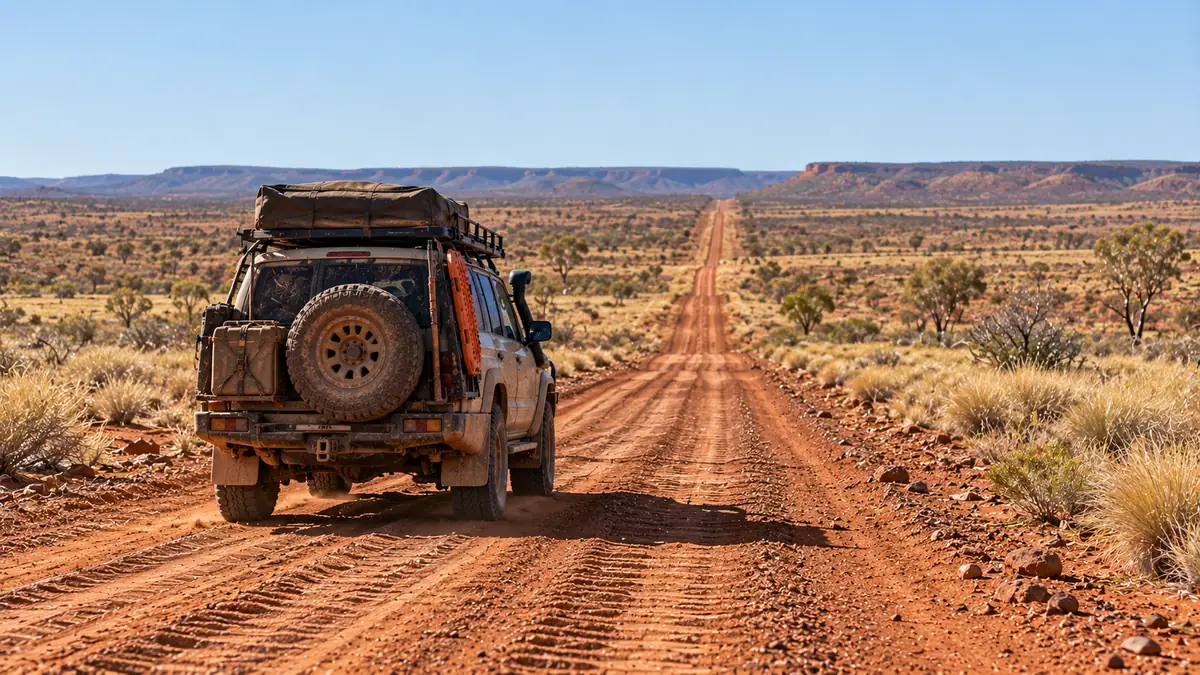
Your vehicle matters. QPWS describes the tracks as suitable for high-clearance 4WDs with low range. All-wheel-drive soft-roaders aren’t recommended. If you don’t have a suitable 4WD, a tag-along tour or a 4WD hire from the mainland is a better option than finding out the hard way.
Before you go, check:
- Tyres in good condition, plus a reliable gauge, deflator and compressor
- Recovery gear: a long-handled shovel, recovery boards and a snatch strap with rated soft shackles, and knowing how to use them
- A full-size spare
- Enough fuel for your plans, since fuel on the island is limited and costs more
- Your hire or insurance terms, as some don’t cover sand or saltwater driving
Tides and beach driving
The eastern beach works like a highway, and normal road rules apply, including speed limits, seatbelts and drink driving laws. Planes even land on parts of it, so stay alert.
The big rule is drive around low tide. The usual advice is to travel within a couple of hours either side of low tide, when there’s hard sand to drive on. At high tide the beach can disappear, and creek crossings get deeper and softer. Check the tide times before every drive, not just the first day.
Basics that make life easier:
- Air down. Lower tyre pressures help a lot in soft sand. Follow your vehicle and tyre maker’s guidance and air back up before bitumen. Our 4WD tyre pressures guide explains the principles.
- Watch for washouts and creeks. Creek outlets crossing the beach can drop away suddenly. Slow right down, and look before you cross.
- Stay off the soft stuff when you can. Drive on the firm, damp sand, but keep well clear of the water’s edge.
- Never drive on dunes or vegetation, and never park where the tide will reach.
- Inland tracks are slow. Soft, rutted sand tracks between lakes and camps can take far longer than the map suggests. Plan short days.
If you’re new to sand, our beach camping and sand driving guide is worth a read first.
Choosing where to camp
K’gari has lots of camping options, from beach zones to campgrounds with facilities. They roughly fall into:
- Fenced camping areas. QPWS has several camping areas with wongari (dingo) deterrent fences, and it recommends these for families with children 14 and under. Many have toilets and showers, sometimes coin-operated.
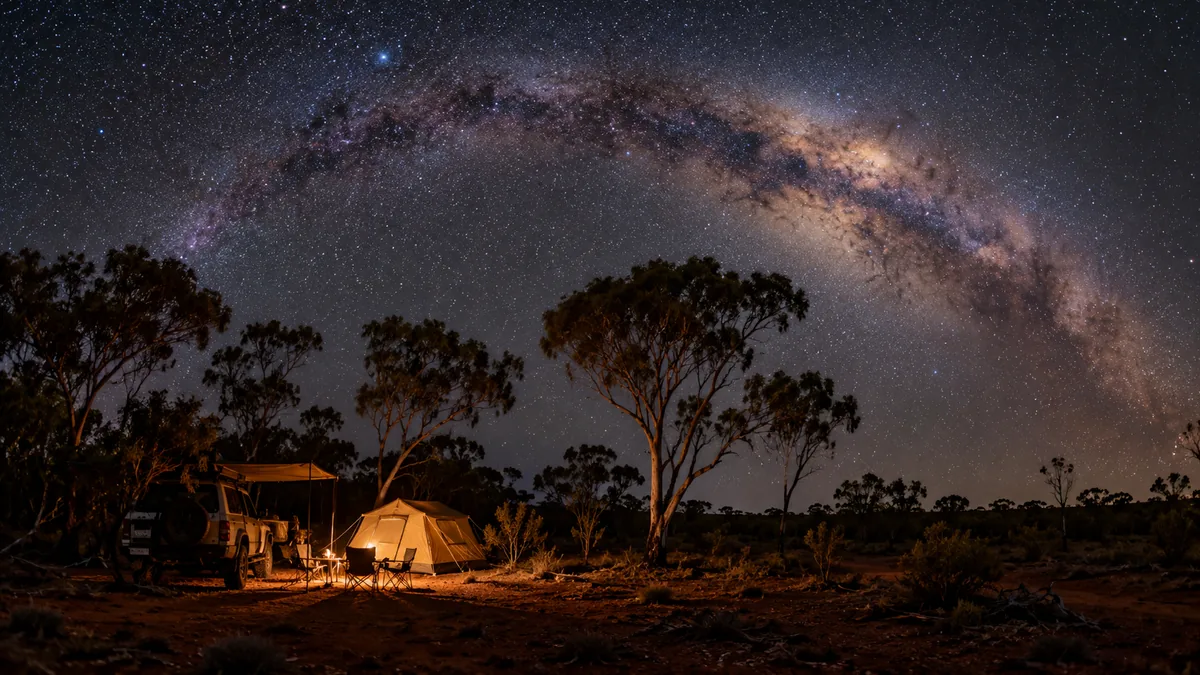
- Eastern beach camping zones. These run along the surf beach. You camp behind the dunes with few or no facilities and you need to be fully self-sufficient.
- Western beach and remote areas. These are quieter and more remote, often with tricky access. They’re better suited once you’ve got some sand experience.
For a first trip, a fenced camping area is a great base. It gives you a safer spot for kids and food, and you can do day trips to the lakes and beach from there. Check the QPWS camping zone summary for current names, facilities and closures, as some areas close for works.
Wongari (dingo) safety
This is the part people take too lightly. Wongari are wild animals, and there have been serious incidents, especially involving children. The QPWS “Be dingo-safe” advice includes:
- Always stay within arm’s reach of children, even in camp
- Walk in groups and carry a stick
- Never feed wongari, and lock away all food, rubbish and eskies, including in your vehicle
- Don’t leave food, bait or fish scraps around, and clean up fully after cooking
- Camp in a fenced area if you have young kids
Read the official advice before you go. Penalties apply for feeding or disturbing wongari.
Swimming and other hazards
The surf beach on the east is generally unsafe for swimming, with strong rips and sharks. Swim in the freshwater lakes or the safer creeks instead. Marine stingers can be present in warmer months, and QPWS warns about crocodiles in some areas, so read the warnings on the park page.
Sun and heat on white sand are intense. Pack shade, plenty of water and good sunscreen.
What to pack for K’gari
On top of a normal camping kit, add:
- Shade and wind protection: a solid awning or gazebo and plenty of sand pegs. Normal pegs barely hold in sand.
- Water: carry plenty. Some campgrounds have water, but don’t count on it everywhere, and treat it if you’re unsure. See our camping water guide.
- Lockable food storage: a fridge or esky that locks or lives inside the car, and sealed tubs.
- Rubbish bags: you take your rubbish with you or use the transfer stations where provided.
- Toilet plan: a portable toilet if you’re camping away from facilities. Check the rules for the zone you’re booked in.
- Comms and first aid: mobile coverage is patchy. A UHF radio and a PLB or satellite messenger are smart. See our remote first aid and comms guide.
- Fire: campfire rules are strict and fires are often only allowed in specific places, so check before you go.
A simple first-trip plan
If you’re new, keep it simple:
- Book a fenced camping area for three or four nights.
- Cross on the barge, air down straight away and drive up the beach around low tide.
- Do day trips to one or two lakes on the inland tracks, and keep days short.
- Leave room for a “wait for the tide” day, because the tide rules the schedule.
- Air back up before you get back on the bitumen.
Final word
K’gari rewards people who plan. Sort both permits early, check the conditions report, plan your drives around the tide and take wongari safety seriously. Do that and it’s one of the best camping trips in Australia.