Leave No Trace Camping in Australia

Disclosure: As an Amazon Associate, OutbackKit earns from qualifying purchases. Some links on this page are affiliate links, so we may earn a small commission if you buy through them, at no extra cost to you. We only point to gear we’d be happy to take on our own trips.
Australia’s wild places are only as good as the way we leave them. More people are camping than ever, and popular spots can quickly be damaged by rubbish, toilet waste, new fire scars and track erosion. Leave No Trace is a simple set of principles for enjoying the outdoors while keeping it in good shape for the next people, and for the plants, animals and communities who call it home.
Rules on toilets, fires, pets, rubbish and access vary between parks, councils and land managers. Always check the official land manager’s information and local signs.
The core principles
- Plan ahead and prepare
- Travel and camp on durable surfaces
- Dispose of waste properly
- Leave what you find
- Minimise campfire impacts
- Respect wildlife
- Be considerate of others
1. Plan ahead
- Check rules, permits, fire restrictions and closures before you go.
- Know whether the campsite has toilets, bins or water.
- Repackage food to cut down on rubbish.
- Bring the gear you need to follow the rules, such as a portable toilet, rubbish bags and a fire pot if required.
2. Camp and travel on durable surfaces
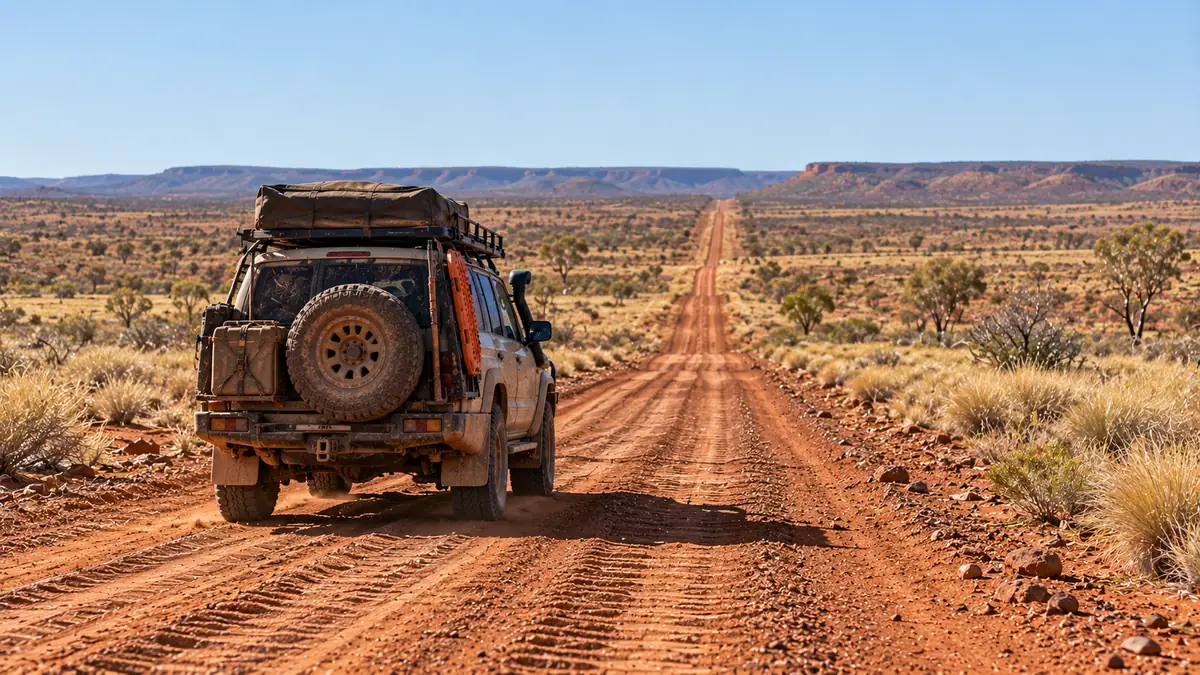
- Use established campsites and tracks. Don’t create new tracks or clearings.
- Stay on formed roads, even if it means driving through a puddle. Driving around them widens tracks.
- Stay off dunes and fragile vegetation.
- Don’t dig trenches around tents.
- Respect closed tracks and seasonal closures. Driving wet tracks can cause serious damage.
3. Dispose of waste properly
Rubbish
- Take everything out, including food scraps, fruit peels, cigarette butts and bottle tops.
- Don’t bury or burn rubbish. Animals dig it up and burning leaves toxic residue.
- Bring heavy-duty bags and a sealed bin or tub for smelly waste. (camp rubbish bags on Amazon)
- Pick up rubbish others have left if you can.
Toilet waste
- Use toilets where provided.
- Many areas require a portable toilet. Check before you go. (portable toilets on Amazon)
- Where burying is permitted:
- Go well away from water, tracks and campsites (follow local guidance on distances).
- Dig a hole deep enough to cover waste properly, using a trowel. (camping trowels on Amazon)
- Cover it well and disguise the site.
- Pack out toilet paper where possible, as it can take a long time to break down and animals dig it up. Always pack out wipes and sanitary products.
- Empty portable toilets only at designated dump points.
Washing and grey water
- Wash well away from creeks, rivers and lakes.
- Use minimal soap, even biodegradable soap, and scatter grey water well away from water sources.
- Strain food scraps out of dishwater and take them with you.
4. Leave what you find
- Don’t take rocks, plants, shells or artefacts.
- Don’t carve trees or build structures.
- Clean your gear and vehicle between areas to avoid spreading weeds, seeds and diseases.
5. Minimise campfire impacts
- Check fire bans and rules every day. See our campfire safety and fire bans guide.
- Use existing fire rings only. Don’t make new ones.
- Keep fires small, and bring your own firewood where collection isn’t allowed. Fallen wood is important habitat.
- Put fires out completely with water until cold.
- Consider a gas stove instead of a fire for cooking.
6. Respect wildlife
- Watch from a distance.
- Never feed wildlife. It harms their health, changes their behaviour and can make them aggressive. Dingoes in particular can become dangerous when fed.
- Store food securely in sealed containers or your vehicle.
- Keep pets under control, and only take them where they’re allowed.
- Drive carefully, especially at dawn and dusk.
7. Be considerate of others
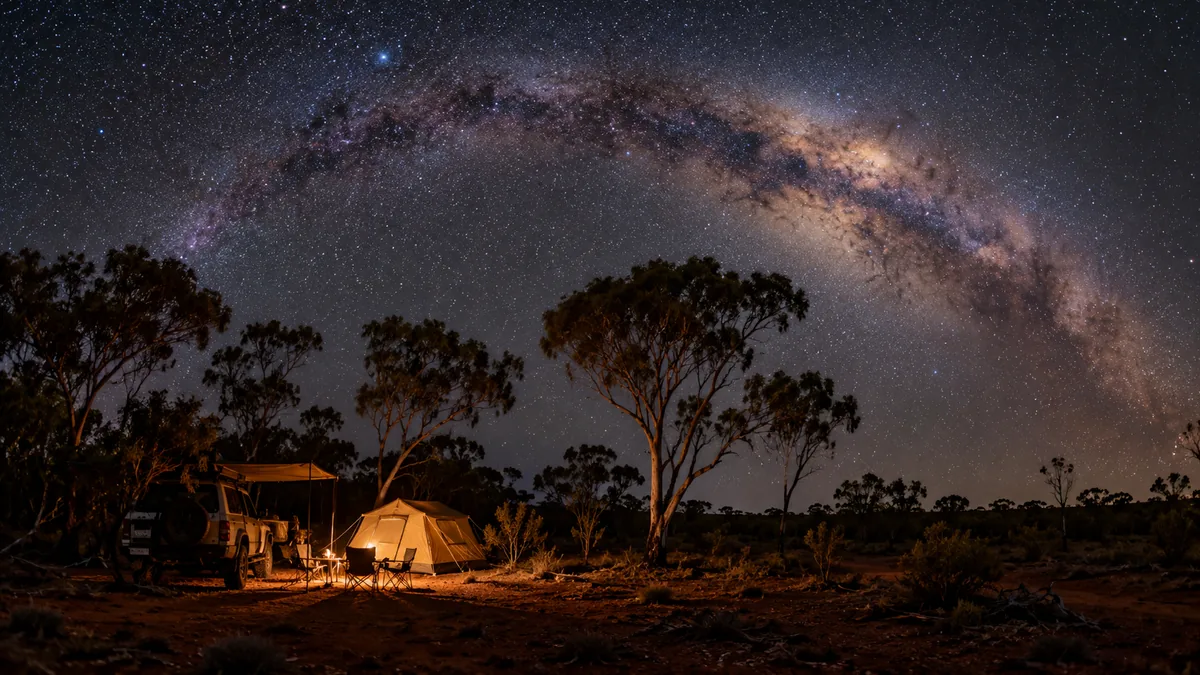
- Keep noise down, especially at night.
- Keep lights low and pointed down. See our headtorch and camp lighting guide.
- Respect other campers’ space.
- Leave gates as you found them on stations and farmland.
Respecting Country and cultural sites
All of Australia is Aboriginal and Torres Strait Islander Country, and many places have deep cultural significance.
- Obtain the right permits to enter Aboriginal land, and follow their conditions.
- Respect closures and requests not to visit, climb or photograph certain places.
- Don’t touch, move or take rock art, artefacts, stone tools or scatters. Many are protected by law.
- Stay on designated tracks and camping areas.
- Learn about the Traditional Owners of the places you visit, through visitor centres, cultural tours and park information.
- If you find something that may be a cultural artefact or remains, leave it where it is and report it to the relevant authority.
Leave No Trace checklist
- Rules, permits and fire restrictions checked
- Heavy-duty rubbish bags and a sealed tub
- Portable toilet (if required) or trowel
- Minimal, biodegradable soap
- Own firewood or a gas stove
- Sealed food storage
- Cultural site information for your route
Further reading
The bottom line
Plan ahead, stay on tracks and established sites, take all your rubbish and waste out, keep fires small and safe, never feed wildlife, and respect Country. Leave every campsite better than you found it.